Introduction
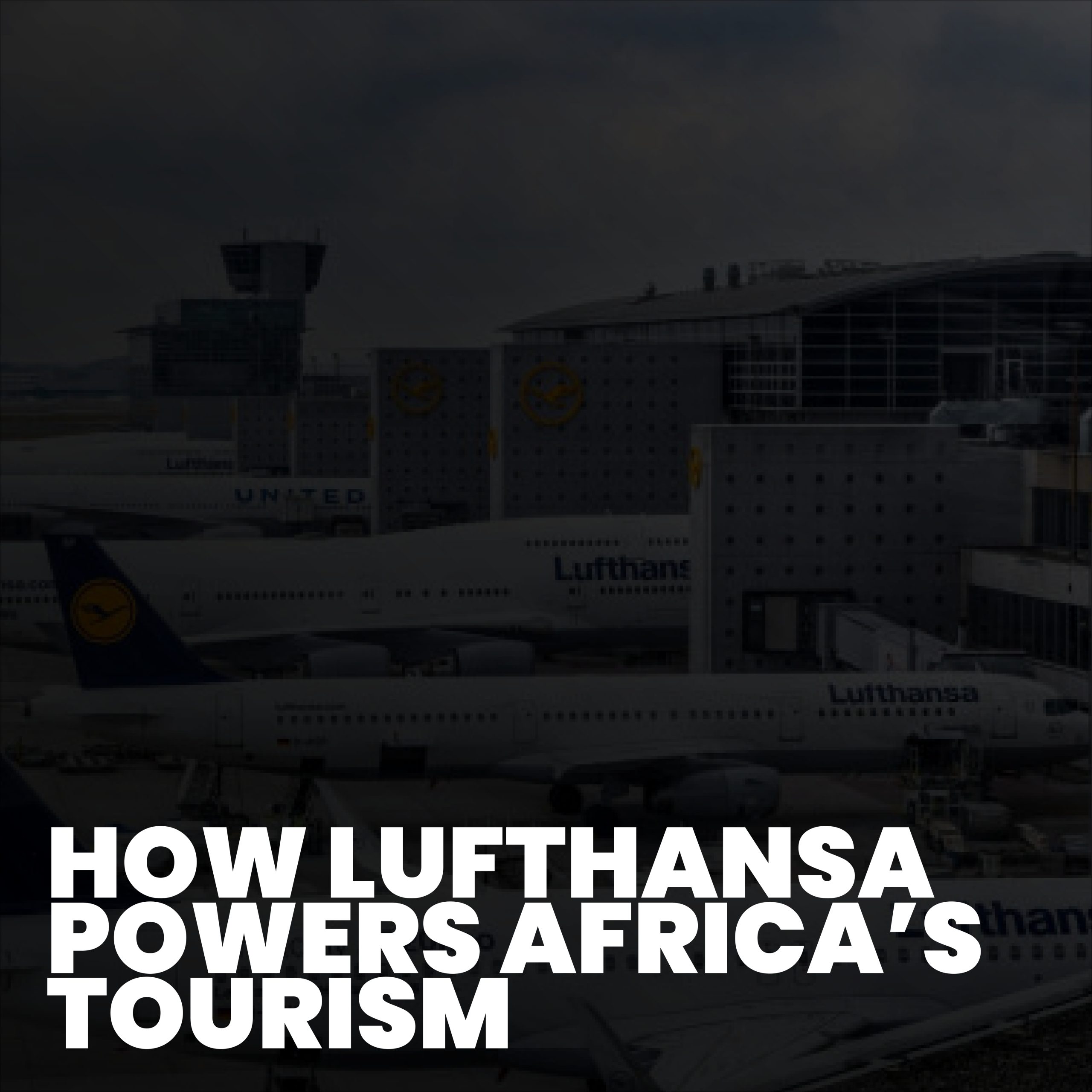
L'expansion de Lufthansa vers l'Afrique australe témoigne de la confiance du groupe dans les marchés touristiques et commerciaux en plein essor de la région. Dès cet été, le groupe Lufthansa va ajouter des vols vers Le Cap, en Afrique du Sud, et Windhoek, en Namibie. L'objectif est clair : renforcer la connectivité aérienne entre l'Europe et l'Afrique australe tout en soutenant les économies locales. Cette initiative s'inscrit dans la dynamique de reprise post-pandémique et répond à une demande croissante pour les voyages long-courriers haut de gamme. Cet article revient sur les neuf initiatives majeures de la stratégie de Lufthansa — comment elles profitent aux voyageurs, au tourisme et au commerce, et pourquoi elles font de l'Afrique australe une destination mondiale plus accessible.
Lufthansa Expansion – Relier l'Europe et l'Afrique australe
Avec ce nouveau programme de vols, Lufthansa et ses filiales élargissent leurs liaisons directes depuis Francfort et Zurich vers le continent africain. Ces routes offriront aux voyageurs européens un accès direct ou avec une seule escale vers deux des destinations les plus prisées de la région. Cette décision renforce l'effet de réseau au sein des compagnies du groupe, avec des correspondances flexibles via Munich, Bruxelles et Zurich. Pour les passagers sud-africains et namibiens, cela signifie aussi un accès facilité vers l'Europe et l'Amérique du Nord via un seul hub. Au final, les voyages deviennent plus efficaces et les flux touristiques bilatéraux se renforcent — un atout essentiel aussi bien pour le tourisme de loisirs que pour les affaires.
Lufthansa Expansion – Renforcer le rayonnement mondial du Cap
Le Cap, reconnue depuis longtemps comme une destination touristique et d'affaires de rang mondial, a beaucoup à gagner des nouvelles fréquences de vols. La capacité supplémentaire depuis Francfort rendra la ville plus accessible durant l'été européen et l'hiver de l'hémisphère sud, une période où la demande des voyageurs de loisirs explose. L'expansion de Lufthansa stimulera aussi les investissements entrants, aidant Le Cap à attirer des conférences et événements internationaux. Les acteurs locaux de l'hôtellerie — hôtels, tours-opérateurs et restaurants — peuvent s'attendre à des réservations soutenues, tandis que les PME du secteur du vin, du design et des technologies auront un meilleur accès à leurs partenaires européens.
Lufthansa Expansion – Soutenir le tourisme et le commerce en Namibie
Windhoek, au cœur du secteur touristique namibien en plein développement, est également une grande bénéficiaire de la stratégie d'expansion de Lufthansa. Des vols plus fréquents soutiendront l'ambition du pays de devenir une destination de voyage durable de premier plan en Afrique. Pour les touristes, des temps de correspondance réduits facilitent l'accès aux safaris à Etosha et aux aventures dans les dunes de Sossusvlei. Pour les exportateurs, notamment dans l'agriculture et les mines, une fréquence accrue des vols cargo signifie une logistique plus rapide et plus fiable. Cette initiative attirera aussi les investisseurs européens qui s'intéressent aux opportunités dans les énergies renouvelables et l'hydrogène vert en Namibie — des secteurs qui dépendent d'une connectivité solide et fiable.
Lufthansa Expansion – Soutenir le fret et les chaînes d'approvisionnement
Chaque vol long-courrier passagers transporte également du fret précieux en soute. Cette expansion augmentera donc la capacité de transport de produits frais, de vin, de fleurs et de produits pharmaceutiques entre l'Afrique australe et l'Europe. Plus de vols, c'est moins de goulots d'étranglement et des délais de transit réduits. Les exportateurs sud-africains pourront acheminer leurs marchandises de haute valeur plus rapidement, tandis que les importateurs bénéficieront de cycles de réapprovisionnement plus fiables. Les opérateurs logistiques anticipent des chaînes d'approvisionnement plus fluides, surtout pour les marchandises sensibles à la température. Concrètement, cette expansion contribue à stabiliser les corridors commerciaux et à renforcer la compétitivité régionale face aux autres grandes plateformes africaines.
Lufthansa Expansion – Un coup de pouce au tourisme régional
Les autorités touristiques du Western Cape et de la Namibie ont salué l'expansion de Lufthansa comme un moteur essentiel de croissance des arrivées internationales. Cette capacité aérienne supplémentaire ouvre de nouvelles perspectives pour les forfaits touristiques, les itinéraires multi-pays et les séjours prolongés. Les voyageurs peuvent désormais combiner plus facilement les attraits côtiers du Cap avec les paysages désertiques de la Namibie. Une meilleure connectivité soutient aussi le corridor touristique « Cape to Namibia » — une tendance émergente chez les voyageurs européens en quête d'aventure. Les compagnies aériennes s'associent souvent aux offices de tourisme locaux pour des promotions communes, ce qui permet aux retombées de toucher également les petites villes et les projets communautaires qui dépendent d'une clientèle touristique régulière.
Lufthansa Expansion – Durabilité et innovation dans la flotte
L'aviation moderne exige efficacité et responsabilité environnementale. L'expansion de Lufthansa s'appuiera sur des appareils de nouvelle génération offrant une consommation de carburant et des émissions réduites par passager. Il s'agit notamment de gros-porteurs économes en carburant qui offrent aussi des cabines plus silencieuses et un meilleur confort aux passagers. L'investissement continu de Lufthansa dans le carburant d'aviation durable (SAF) et les initiatives de compensation carbone s'aligne sur les objectifs de tourisme vert de l'Afrique du Sud et de la Namibie. Ces nouvelles routes montrent que croissance et durabilité peuvent aller de pair lorsque les compagnies aériennes misent sur l'innovation et une planification intelligente. Cela positionne Lufthansa comme un acteur responsable dans l'écosystème aérien africain.
Lufthansa Expansion – Impact économique et création d'emplois
L'aviation crée des effets d'entraînement bien au-delà des aéroports. Cette expansion va stimuler l'emploi dans les services d'assistance en escale, la restauration, la maintenance et les services touristiques. Des fréquences de vols plus élevées entraînent une plus grande demande en personnel hôtelier, en guides et en prestataires de transport. Les entreprises qui fournissent des biens et un soutien logistique aux compagnies aériennes en bénéficient aussi. Pour les gouvernements, la hausse des arrivées touristiques et du volume de fret signifie des recettes fiscales plus importantes et une résilience économique renforcée. À long terme, une connectivité internationale soutenue contribue à attirer les investissements directs étrangers, les investisseurs privilégiant les régions dotées d'un accès fiable aux marchés mondiaux et de réseaux aériens stables.
Lufthansa Expansion – Expérience passager et connectivité
Au-delà de la capacité et des aspects économiques, l'expansion de Lufthansa met l'accent sur le confort et la commodité des voyageurs. Des intérieurs d'avion modernisés, un système de divertissement à bord amélioré et des procédures d'enregistrement numérique fluides rendent les longs voyages plus agréables. Les passagers profitent de classes tarifaires flexibles, de correspondances compétitives et de la possibilité de combiner plusieurs destinations sur un seul billet. Les programmes de fidélité du groupe — Miles & More et les programmes partenaires — permettent aux grands voyageurs de maximiser leurs avantages tout en renforçant leur attachement à la marque. L'amélioration des opérations dans les hubs de Francfort et de Zurich garantit des escales plus courtes et des correspondances plus rapides, ce qui profite aussi bien aux voyageurs de loisirs qu'à la clientèle d'affaires.
Lufthansa Expansion – Le rôle de l'Afrique dans la vision à long terme de Lufthansa
La classe moyenne africaine en expansion et les marchés touristiques émergents font du continent un pilier clé de la stratégie mondiale de Lufthansa. L'expansion vers l'Afrique australe s'inscrit dans un plan plus large visant à diversifier le réseau au-delà des routes traditionnelles et à capter la demande des régions en développement. À mesure que le commerce, les énergies renouvelables et le tourisme s'accélèrent sur le continent, la connectivité devient un avantage stratégique. En renforçant ses investissements dès maintenant, le groupe Lufthansa se positionne comme un partenaire de long terme dans le développement du continent africain. Des expansions futures pourraient inclure davantage d'accords de partage de codes intra-africains et des destinations supplémentaires au fur et à mesure que les marchés arrivent à maturité.
FAQs
Qu'est-ce que l'expansion de Lufthansa prévoit pour l'Afrique ?
L'expansion de Lufthansa ajoute des vols depuis Francfort et Zurich vers Le Cap et Windhoek, améliorant l'accès pour les touristes et les entreprises.
Comment l'expansion de Lufthansa profite-t-elle au tourisme ?
L'expansion de Lufthansa augmente la capacité en sièges et la fréquence des vols, favorisant des séjours plus longs, de meilleures correspondances et des itinéraires de voyage régionaux.
L'expansion de Lufthansa se concentre-t-elle uniquement sur le tourisme de loisirs ?
Non. L'expansion de Lufthansa soutient le tourisme, le commerce et le transport de fret, aidant aussi bien les voyageurs que les exportateurs à se connecter plus efficacement.
Conclusion
L'expansion de Lufthansa vers Le Cap et Windhoek marque une étape décisive dans le renforcement des liens de l'Afrique australe avec les marchés mondiaux. Avec davantage de vols, des appareils modernes et un engagement en faveur de la durabilité, Lufthansa aide ces deux pays à saisir de nouvelles opportunités dans le tourisme et le commerce. Les voyageurs gagnent en flexibilité, les entreprises en fiabilité, et la région en visibilité sur la scène mondiale. En cette saison où le ciel s'ouvre davantage, l'investissement de Lufthansa promet de faire de l'Afrique non seulement une destination, mais un véritable hub de connectivité mondiale pour les années à venir.