Introduction
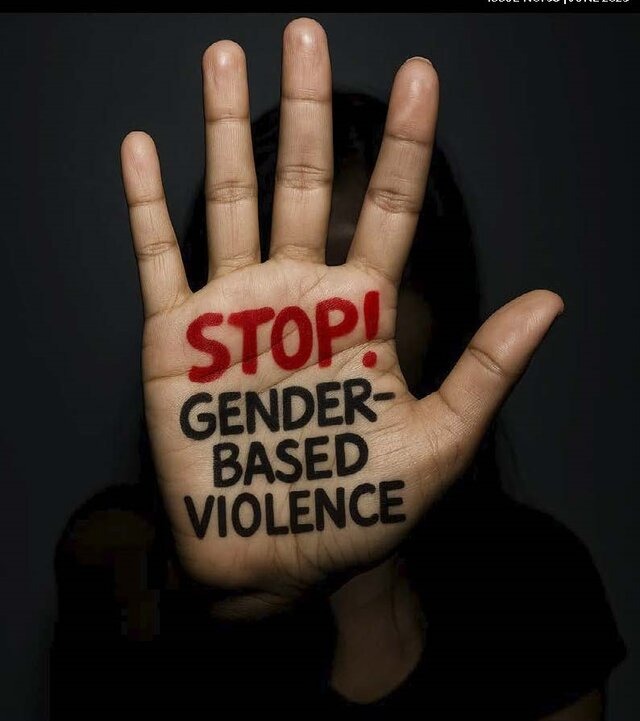
La crise de VBG en Afrique du Sud a atteint un niveau dévastateur, avec des violences de genre qui ne cessent d'augmenter. Des viols, des violences domestiques et des féminicides sont rapportés chaque jour dans des proportions choquantes. Face à cette situation, le gouvernement sud-africain a déclaré les VBG un désastre national. Malgré cette déclaration, beaucoup estiment qu'il faut des actions plus fermes et des réformes urgentes. Cet article revient sur les cinq mesures essentielles que l'Afrique du Sud doit prendre pour combattre la crise de VBG et protéger femmes et enfants contre les violences.
Crise de VBG : un pays qui a urgemment besoin de changement
La crise de VBG en Afrique du Sud ne se résume pas à une série d'incidents isolés — c'est un problème systémique qui touche les fondements mêmes de la société. Ces violences découlent d'inégalités de genre profondément ancrées, d'une tolérance sociale envers la violence et d'une protection juridique insuffisante. Avec plus de 1 500 viols signalés chaque jour et des violences domestiques généralisées, les femmes et les filles du pays vivent dans la peur permanente. Pour y faire face, il faut s'engager sur le long terme à opérer des changements culturels, juridiques et sociaux.
S'attaquer aux causes profondes de la crise de VBG
Pour combattre la crise de VBG, il est indispensable de s'attaquer à ses racines. L'un des principaux facteurs qui alimentent les violences de genre en Afrique du Sud est le patriarcat profondément enraciné, où les normes traditionnelles de genre perpétuent la domination des femmes. Faire évoluer les mentalités vis-à-vis des femmes et des filles est crucial. Des campagnes éducatives promouvant l'égalité, le respect et la non-violence doivent être mises en place dans les écoles, les communautés et les lieux de travail pour combattre ces normes néfastes.
Réformer les forces de l'ordre et le système judiciaire pour lutter contre les VBG
Pour que la crise de VBG connaisse un vrai tournant, les forces de l'ordre et le système judiciaire doivent être revus en profondeur. La police peine souvent à mener des enquêtes sérieuses sur les affaires de VBG, laissant les survivantes sans justice. Il faut davantage de responsabilisation, une meilleure formation pour les agents des forces de l'ordre et des procédures judiciaires plus rapides. La création d'unités spécialisées dans le traitement des affaires de VBG et le recours à la technologie pour traquer et poursuivre les agresseurs permettraient de renforcer l'efficacité des interventions.
Le rôle du gouvernement dans l'allocation des ressources pour la prévention des VBG et le soutien aux victimes
Le gouvernement sud-africain a un rôle central à jouer dans la lutte contre la crise de VBG. Il doit allouer des ressources suffisantes aux programmes de prévention et aux services d'accompagnement des survivantes. Cela passe par le financement de refuges, la fourniture de services juridiques et psychologiques, et le renforcement des organisations de soutien aux femmes. Des ressources publiques doivent également être consacrées à la formation du personnel médical pour mieux gérer les cas de VBG et soutenir le rétablissement physique et mental des survivantes.
Sensibilisation et plaidoyer : mobiliser les communautés pour mettre fin aux VBG
Les campagnes de sensibilisation jouent un rôle essentiel dans la lutte contre la crise de VBG. De nombreux Sud-Africains ignorent l'ampleur des violences de genre ou leurs conséquences. En sensibilisant le public via les médias de masse, les actions de terrain et les partenariats avec des personnalités influentes, le gouvernement et les ONG peuvent contribuer à faire évoluer les perceptions. Ces campagnes peuvent aussi encourager les communautés à se dresser contre la violence et à tenir les agresseurs pour responsables. Quand une communauté tout entière s'unit pour combattre les VBG, le changement devient possible.
FAQ
1. Comment le gouvernement sud-africain compte-t-il combattre la crise de VBG ?
L'Afrique du Sud entend lutter contre la crise de VBG en la déclarant désastre national, en améliorant les forces de l'ordre, en allouant de meilleures ressources aux survivantes et en lançant des campagnes de sensibilisation.
2. Quels sont les principaux facteurs qui alimentent la crise de VBG en Afrique du Sud ?
La crise de VBG en Afrique du Sud est alimentée par des inégalités de genre profondément enracinées, des normes sociales qui tolèrent la violence, et des failles dans les forces de l'ordre et le système judiciaire.
3. Comment le public peut-il aider à faire face à la crise de VBG en Afrique du Sud ?
Le public peut contribuer à lutter contre la crise de VBG en participant aux campagnes de sensibilisation, en soutenant les victimes et en réclamant des protections juridiques plus solides pour les femmes et les enfants.
Conclusion
La crise de VBG en Afrique du Sud est une urgence nationale qui appelle une action immédiate et multidimensionnelle. Si la déclaration des VBG comme désastre national constitue une étape importante, elle doit être suivie de réformes urgentes, d'une meilleure allocation des ressources et d'un effort concerté pour faire évoluer les mentalités. En s'attaquant aux causes profondes, en réformant les forces de l'ordre et en mobilisant les communautés, l'Afrique du Sud peut franchir les étapes nécessaires pour éradiquer les violences de genre et protéger ses citoyens.