Introduction
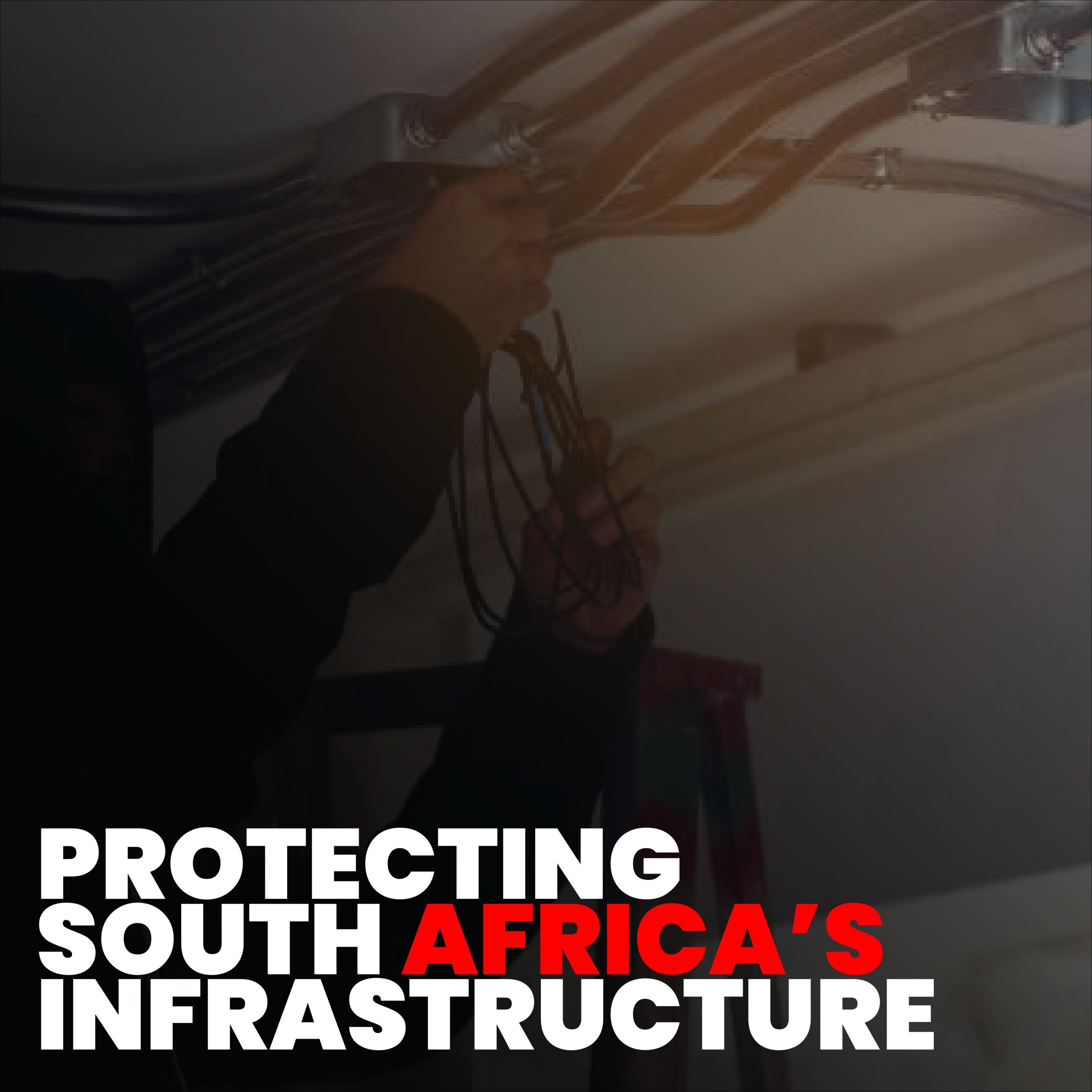
Le vol de câbles est devenu l'un des problèmes les plus urgents à Johannesburg, coûtant des milliards de rands à City Power et privant des milliers d'habitants d'électricité chaque mois. Ce qui était autrefois un crime à petite échelle s'est transformé en une industrie organisée et complexe qui abîme les infrastructures, met des vies en danger et freine la croissance économique. Les communautés et les autorités cherchent aujourd'hui des solutions efficaces et durables. Cet article revient sur l'impact du vol de câbles sur le réseau électrique de Johannesburg et présente sept mesures essentielles pour réduire les pertes, renforcer la résilience et protéger l'approvisionnement en énergie de la ville.
Vol de câbles — Comprendre l'ampleur du problème
Le vol de câbles va bien au-delà du simple vandalisme. Chaque mètre de câble volé entraîne des coupures d'électricité, des réparations coûteuses et des conditions dangereuses pour les travailleurs et les habitants. City Power estime ses pertes annuelles à des milliards de rands en raison des vols, du vandalisme et des connexions illégales. Au-delà du coût financier, les hôpitaux, les écoles et les petites entreprises se retrouvent régulièrement sans électricité. Les coupures causées par les vols endommagent aussi les équipements et mettent à rude épreuve les services d'urgence. L'effet en cascade nuit à l'économie et érode la confiance du public envers les fournisseurs d'énergie. Lutter contre ce phénomène exige une vigilance collective, de l'innovation et une coopération avec les forces de l'ordre.
Vol de câbles — Le coût caché des pertes non techniques
Quand des câbles sont volés, les conséquences vont bien au-delà des coupures visibles. Ces incidents contribuent à ce que les fournisseurs appellent les « pertes non techniques », une catégorie qui regroupe les vols, les connexions illégales et les écarts de facturation. Ces pertes font directement augmenter le coût de l'électricité pour les clients qui paient et ralentissent la modernisation des infrastructures. Les fonds qui devraient servir à moderniser le réseau servent plutôt à remplacer sans cesse les matériaux volés. Il s'ensuit un cycle sans fin de pertes et de réparations qui compromet la capacité de Johannesburg à faire face à une demande en électricité toujours croissante. Réduire ces pertes non techniques en s'attaquant au vol de câbles est indispensable pour la viabilité financière du secteur.
Vol de câbles — Pourquoi les syndicats organisés sont si difficiles à démanteler
Le vol de câbles est alimenté par des groupes criminels organisés qui voient dans le cuivre et l'aluminium volés une source de profits considérables. Ces syndicats opèrent avec efficacité, se faisant souvent passer pour des agents de service public, avec des camions et des uniformes pour ne pas éveiller les soupçons. Le métal est revendu à des ferrailleurs ou exporté via des marchés illégaux, ce qui rend la récupération très difficile. Les forces de l'ordre peinent à démanteler ces réseaux, faute d'effectifs suffisants et de coordination entre les régions. Y mettre fin exige des enquêtes ciblées, un meilleur partage de renseignements et des sanctions plus sévères contre ceux qui achètent ou transportent du matériel volé.
Vol de câbles — Quand les habitants prennent les choses en main
Excédées par des coupures à répétition, de nombreuses communautés de Johannesburg ont décidé de prendre les choses en main. Les habitants forment des groupes de surveillance, patrouillent dans les zones à risque et travaillent directement avec City Power pour sécuriser les équipements vulnérables. Certains quartiers ont installé des éclairages à détecteur de mouvement, des alarmes ou des caméras de surveillance pour dissuader les criminels. Si ces initiatives citoyennes ont permis de réduire les vols dans certains quartiers, les habitants insistent aussi sur la nécessité d'un soutien municipal et d'une protection juridique pour éviter les confrontations. Quand l'action communautaire est coordonnée avec les équipes d'intervention officielles, elle constitue une ligne de défense redoutable contre le vol de câbles.
Vol de câbles — La technologie et l'innovation comme atout majeur
Les technologies modernes offrent des outils puissants pour détecter et dissuader les voleurs. Des capteurs intégrés le long des câbles peuvent alerter les centres de contrôle en temps réel en cas de manipulation. La surveillance par drones et l'imagerie thermique permettent aux fournisseurs de couvrir de grandes zones rapidement. Les compteurs intelligents peuvent détecter une consommation anormale et signaler d'éventuelles connexions illégales. La géolocalisation des tambours de câbles et des matériaux garantit que seules les équipes autorisées y ont accès. Ces systèmes demandent un investissement initial, mais ils s'amortissent grâce à la réduction des pertes et à une meilleure fiabilité du réseau. La technologie offre à Johannesburg un avantage stratégique dans la prévention du vol de câbles.
Vol de câbles — Réformes des politiques publiques et forces de l'ordre
Aucune technologie ne peut être efficace sans une application rigoureuse des politiques publiques. Les lois actuelles prévoient souvent des amendes trop faibles pour dissuader les criminels ou les ferrailleurs. Les autorités de Johannesburg doivent adopter des sanctions plus sévères pour la détention de cuivre volé et mettre en place des procédures accélérées pour les récidivistes. Une coopération plus étroite entre la police, City Power et le Department of Trade est nécessaire pour réguler la vente de ferraille et les licences d'exportation. Des audits réguliers chez les ferrailleurs et des contrôles aux frontières plus stricts rendraient l'entrée des métaux volés dans la chaîne d'approvisionnement plus difficile, réduisant ainsi les profits des groupes criminels.
Vol de câbles — Le rôle de l'industrie de la ferraille
L'un des principaux facteurs qui facilitent le vol de câbles est le commerce non réglementé de ferraille. De nombreux petits ferrailleurs achètent du cuivre sans vérifier son origine, ce qui entretient une demande constante pour les marchandises volées. L'enregistrement obligatoire des ferrailleurs, la tenue de registres numériques et des systèmes de paiement traçables pourraient réduire ce marché noir. Des programmes de récompense incitant les recycleurs légitimes à signaler les vendeurs suspects pourraient affaiblir davantage la chaîne. La collaboration avec les associations professionnelles et le secteur privé est indispensable pour assainir le marché et décourager l'achat de matériaux électriques volés.
Vol de câbles — Concevoir des infrastructures résistantes au vol
Repenser les parties vulnérables du réseau électrique peut réduire considérablement les vols. L'utilisation de matériaux moins précieux, comme l'acier gainé de cuivre ou les alliages d'aluminium, réduit la valeur de revente pour les voleurs. Les câbles souterrains devraient, dans la mesure du possible, être enrobés de béton armé ou placés dans des conduits en acier. Les installations critiques comme les mini-sous-stations peuvent être clôturées, équipées d'alarmes ou déplacées loin des points d'accès faciles. Ces modifications de conception nécessitent un investissement, mais elles renforcent la résilience à long terme et réduisent les coûts de maintenance. L'infrastructure de Johannesburg doit évoluer pour résister à la criminalité, et non pas seulement réparer les dégâts qu'elle cause.
Vol de câbles — Financer des solutions durables
S'attaquer au vol de câbles nécessite un financement régulier, et non des campagnes ponctuelles. Les partenariats public-privé peuvent financer les technologies de sécurité et la modernisation des infrastructures. Les compagnies d'assurance pourraient proposer des primes réduites aux quartiers affichant de faibles taux de vol. City Power pourrait réserver un pourcentage de son budget annuel exclusivement aux programmes anti-vol. Les donateurs internationaux et les banques de développement sont aussi des partenaires potentiels pour des projets pilotes utilisant des technologies de surveillance intelligentes. Quand la prévention fait partie du plan financier, la ville économise sur le long terme en évitant des coupures coûteuses et le remplacement d'équipements.
Vol de câbles — Sensibilisation et éducation pour un changement durable
La sensibilisation du public est un élément essentiel, mais souvent négligé, de la lutte contre le vol de câbles. Beaucoup de gens ne réalisent pas qu'acheter des câbles volés ou ignorer une activité suspecte alimente indirectement le problème. Les écoles, les réunions communautaires et les campagnes sur les réseaux sociaux peuvent informer les citoyens sur les risques et les sanctions liés au vol. Mettre en évidence les dangers des câbles sous tension et du risque d'électrocution décourage aussi les vols opportunistes. Quand les habitants comprennent que le vol de câbles touche les hôpitaux, les écoles et les entreprises, ils sont plus enclins à le signaler et à soutenir les mesures de prévention.
FAQs
Q : Qu'est-ce que le vol de câbles et comment affecte-t-il Johannesburg ?
Le vol de câbles est le retrait illégal de câbles électriques, qui provoque des coupures, des pertes financières et des risques pour la sécurité des communautés.
Q : Comment les citoyens peuvent-ils aider à mettre fin au vol de câbles ?
Les habitants peuvent signaler toute activité suspecte, rejoindre les patrouilles de quartier et éviter d'acheter ou de soutenir le commerce de ferraille non vérifiée.
Q : Quelles sanctions existent pour les auteurs de vols de câbles ?
Les condamnés s'exposent à de lourdes amendes et à l'emprisonnement, et ceux qui font le commerce de câbles volés risquent de perdre leur licence commerciale.
Conclusion
Le vol de câbles est devenu l'un des crimes les plus destructeurs à Johannesburg, touchant tous les aspects de la vie urbaine. Pourtant, ce problème n'est pas insurmontable. Grâce à des lois plus strictes, aux technologies modernes, à une meilleure coopération communautaire et à des pratiques industrielles responsables, Johannesburg peut reprendre le contrôle de son réseau électrique. Réduire le vol de câbles permettra d'économiser des milliards, de protéger des vies et de garantir une électricité fiable pour chaque foyer et chaque entreprise. Le défi est de taille, mais avec des efforts concertés, la ville peut mettre fin à ce cycle coûteux et construire un avenir plus sûr et plus lumineux.